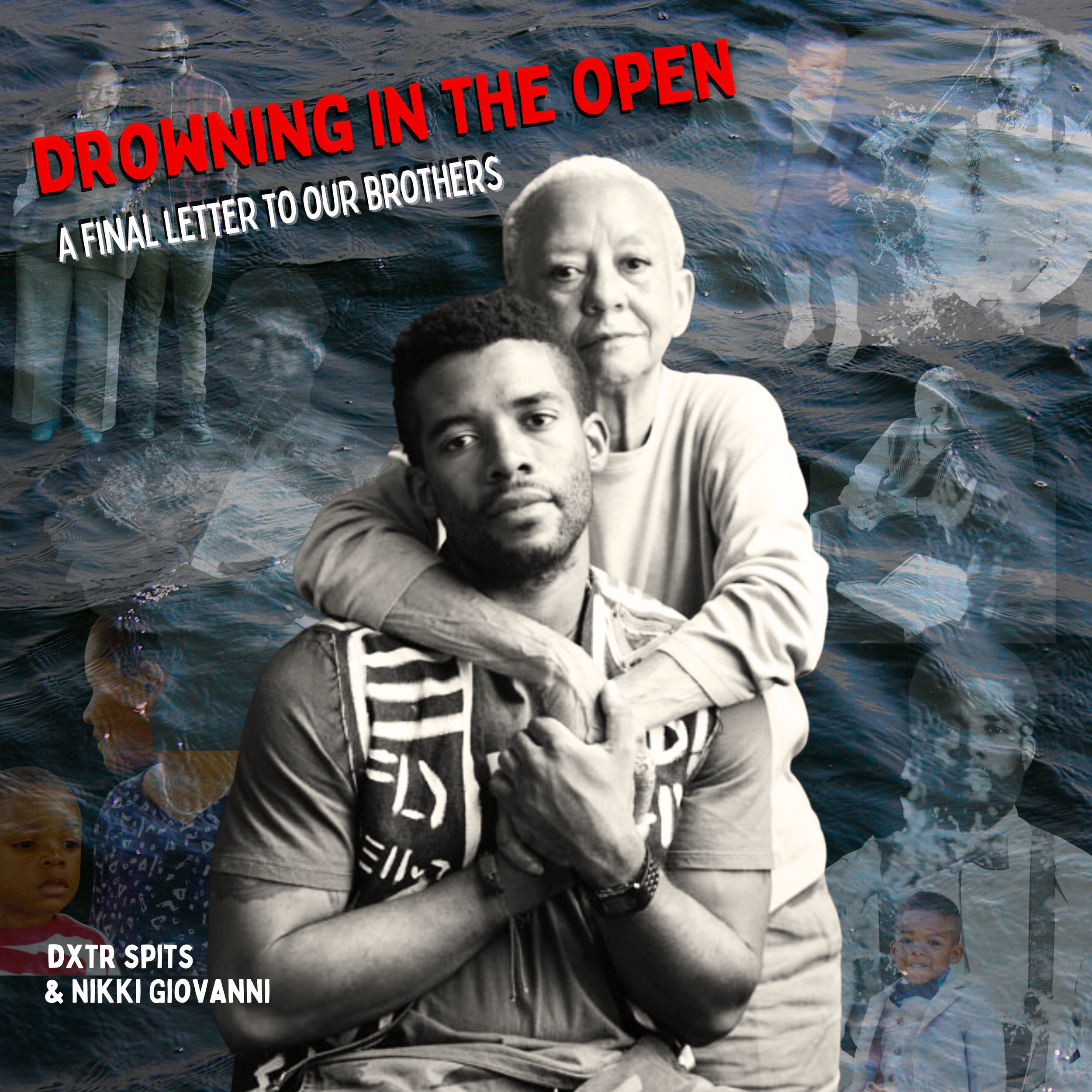
A life raft isn't built by the person drowning. We need community. We need Life Guards.
Drowning in the Open exists because a community decided to build a bridge. On January 23rd, we released the final recorded works of my mentor, Nikki Giovanni, titled Drowning In The Open. It’s a combination of my personal journey through mental health—specifically men’s mental health—complemented by Nikki’s introspective poetry. You can stream it here.
The truth is, after releasing the project, I hit a wave of depression and was over capacity. The emotional weight of Nikki’s passing took a great deal out of me. Beyond that, a good friend passed unexpectedly, and another colleague died by suicide the day I announced the project. These tragedies, combined with the pressure of being an independent artist, pushed me over the edge. I found myself in craving cycles—endlessly scrolling, consuming to feel better, and isolating from the world.
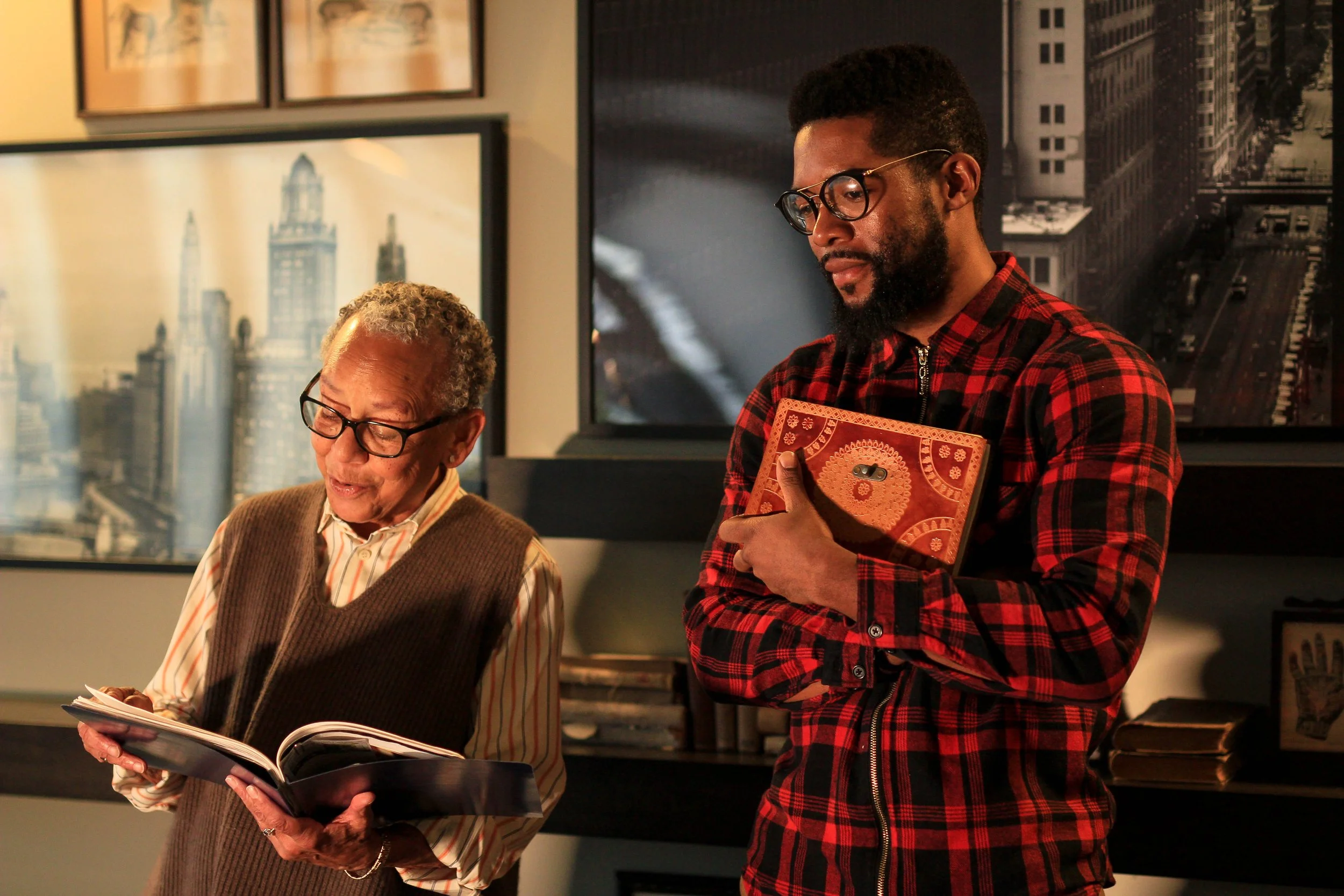
Even with the right tools, I realized how easy it is to slip back into that state of teetering on drowning. But what pulled me back up this time was different: it was community. You can’t pull yourself out of a riptide. It is a community effort, and as men in 2026, we have to learn how to be Life Guards.
I think of Life Guards as men defining a healthy, future-focused manhood. We see that both conventional masculinity and the complete deconstruction of it have their flaws. Instead, Life Guards ask: What encourages Prosperity, Oneness, Openness, and Love (P.O.O.L.) in my life and those around me?
The barriers are real. Surveys in 2026 show Americans are more isolated than ever, with 72% rarely meeting those they care about in person. As men, we often only value what is transactional. But community isn’t about what you “get”; it’s about pouring into others, receiving support, and finding the freedom to play, laugh, or compete.
The data confirms this is life-saving work. Social isolation is now categorized as a mortality risk equivalent to smoking 15 cigarettes a day. Conversely, frequent social interaction lowers cortisol, reduces inflammation, and serves as one of the strongest protective factors against suicidal ideation. If we frame brotherhood as a vital part of our health—no different than the gym or a clean diet—it becomes our new normal.
This brings me to asking for help. In my lowest moments, I’m guilty of trying to "tough it out." But this time, I realized I was unconsciously asking for help within the community I’ve built—sometimes just by calling someone to vent without needing a solution (thanks to every woman I know who learned this at four years old, lol).
I know it seems small, but we have to look at “help” differently. A 2025 Deloitte report noted that 32% of men cite work pressure as their primary strain, yet only 6% feel comfortable disclosing it. We’ve been conditioned to believe that respect is gained by "gritting it out" and that seeking help makes us a "burden."
What we must do now is hold two things at once: acknowledge that conditioning shaped us, but realize it isn't working anymore. We don’t have to be helpless, but we don’t have to be alone. We need a system—a simple phone call, relationship advice, or a shoulder to lean on.
We have the ability to be both the Life Guards and the recipients of the life rafts. Build these tools with me in the course created as a supplement to the Drowning In The Open album, featuring myself and Dr. Nikki Giovanni.
100 men will die by suicide today. Most of them were "swimming just fine" until they weren't. Join the movement to change the tide.