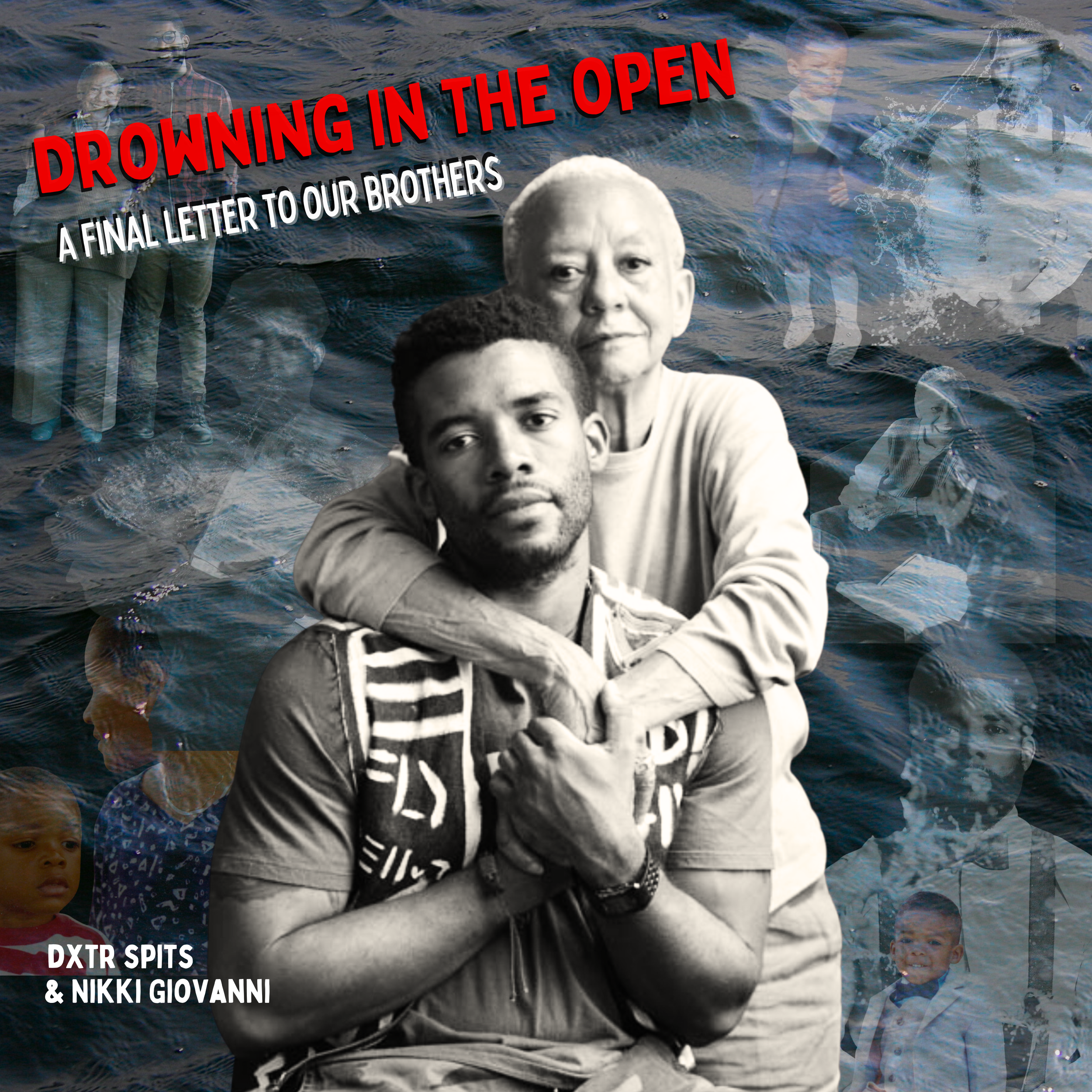
We asked 100 Men about “Drowning” with their mental health…
As you may know, Jan 23rd, our men’s mental health related album “Drowning In The Open“ featuring Dr. Nikki Giovanni and myself releases to the world. The stories in it are personal, complicated, and vulnerable. But it’s not about my story, it’s about what we as men, and we as a society are doing to open the door for men to show up scars, imperfections, armor, vulnerabilities, and all, ready to invest in our collective future.
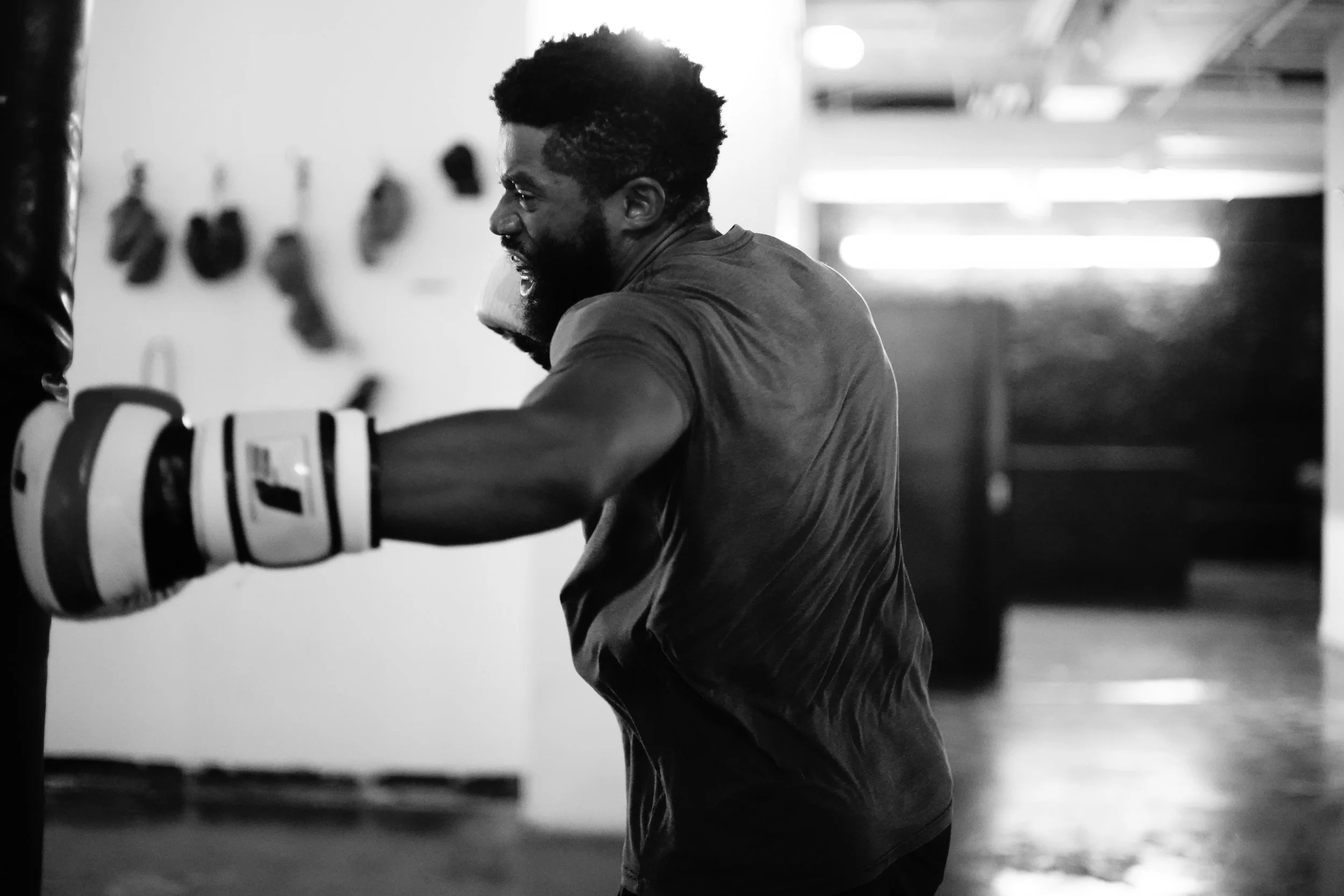
The truth is, I am so motivated to help others with their mental health because mine was so negatively handled for so long. Even when on paper, I was “Successful” in title, notoriety, and perceived relationships. It all looked good, but I was actually drowning as I would step off stage and back into my racing thoughts, low mood, and destructive self talk…
When we did our campaign asking men about their mental health, it both saddened me and motivated me to continue this work. This article is based on some of their reflections and common insights from years of men’s work. Of course the picture is complex, but hopefully this gives a glimpse into what we are doing to be solution focused in the men’s mental health space...
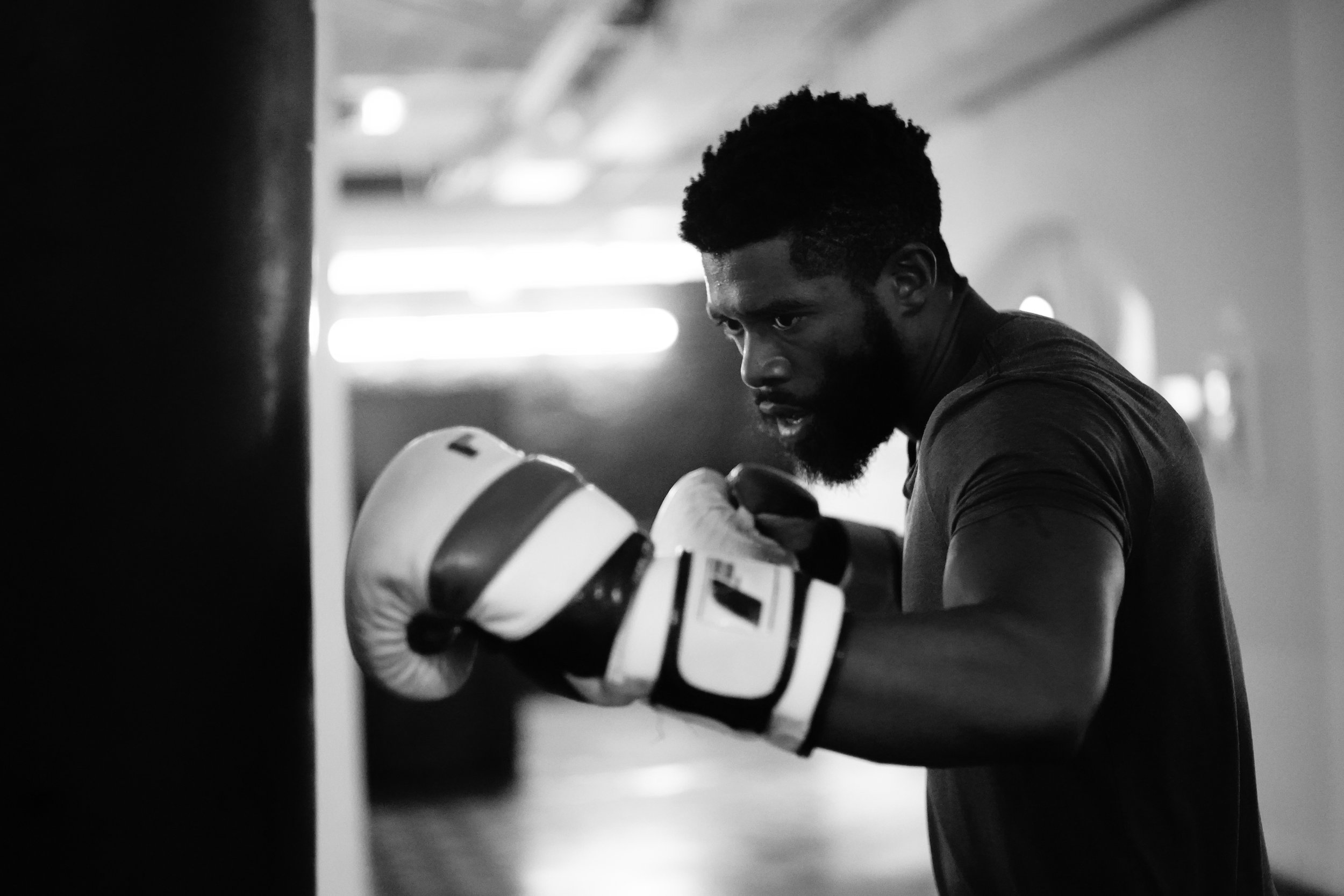
Many men can get into similar positions as I was when society asks, rewards, and expects our performance to be tied to our worth (Even when sometimes we’re told that all we need to do is open up a bit more). I can see how men land on these conclusions as we may want to say we aren’t judging men by our production, but many of the men who excel and are celebrated in our society are the wielders of resources, strength, and influence in one way or another. Not the wielders of vulnerability and compassion.
So when it comes to addressing pain or softer skills, we can bury them down, work them away, or save them for later, which never comes. There’s no perceived return on investment for softening. We can sometimes learn and hold the impression that no one cares, or expression of pain loses us strength and social capital, so we can end up confused as to why we are externally successful but internally or relationally unfulfilled. At its furthest extreme, this can lead to drowning in our own thoughts, isolation, vices, poor habits, and internal struggles that we mask.
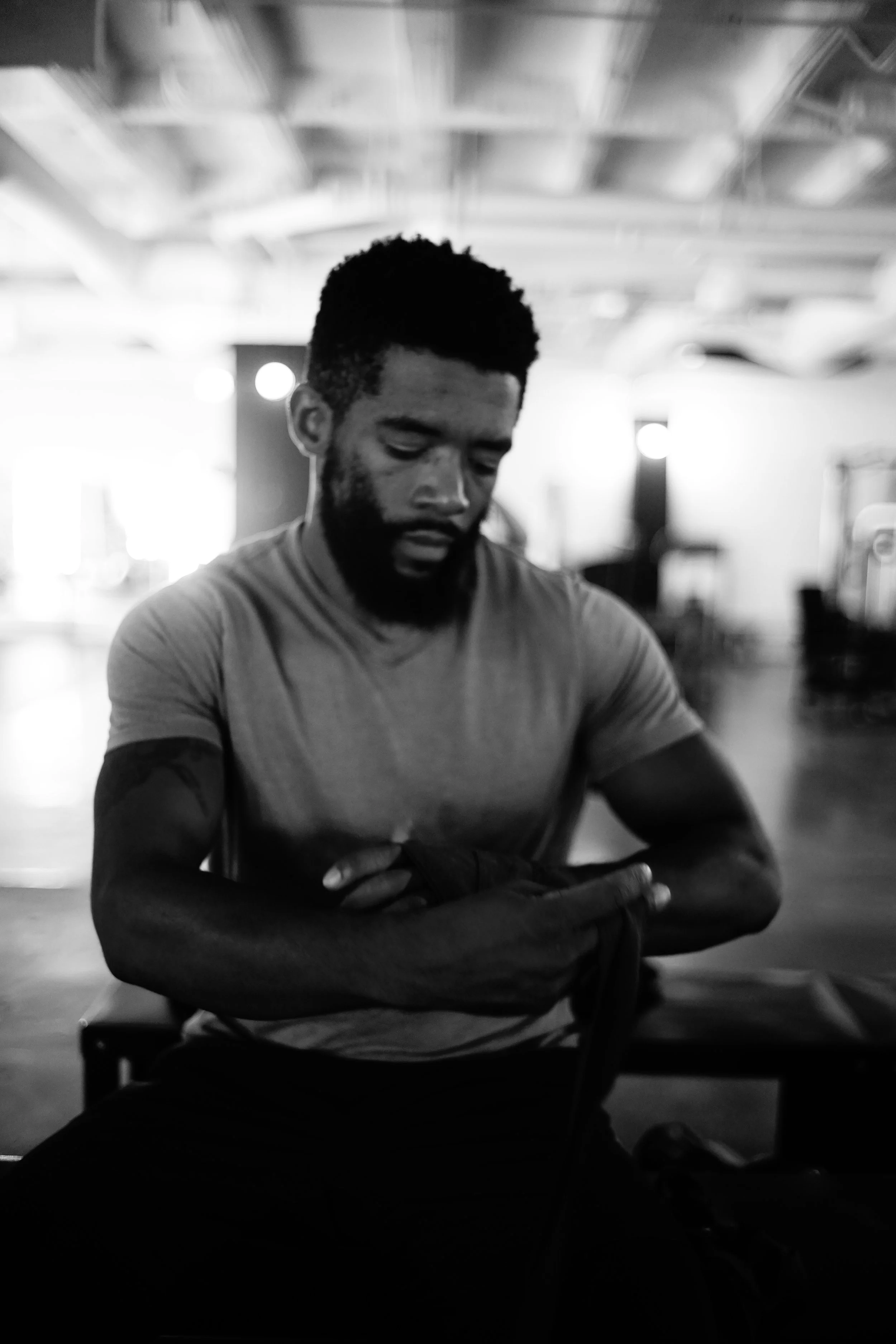
This to me is men truly crying out, with leaking pain, not with physical tears. Sometimes we are carrying boulders and are bursting at the seams like the men who answered the call to the question “When was a time you were drowning?”
Some of the replies:
“When my brother died in a car accident…”
“After my divorce, After my sobriety…”
“After this one relationship where I lost who I was…”
“When my life shattered to pieces and I realized I had no idea how to put it back together…”
We are all in our own swimming pools with life’s inputs, conditioning, and pressures. Sometimes we are swimming along just fine, and others we may be drowning without anyone realizing (including ourselves). Men’s inner struggles and how we respond to them often are misunderstood, and there aren’t many clear ways to get and accept help.
Jordan "Dxtr" Holmes - Stories & Life Rafts is a reader-supported publication. To receive new posts and support my work, consider becoming a free or paid subscriber.
We need to be vulnerable, but not too vulnerable. We need to open up about what pains us, but only in the ways and times deemed acceptable. We need to go to therapy and on healing journeys that can be pitched to us in ways that label us as broken and problematic. We need to let go of conventional masculine roles, but are expected to present with a mentality of chivalry and protection. This isn’t to advocate for any of the perspectives, but naming their contradictory nature. The truth is, the messaging we receive, expectations placed on us, and conditioning are complex with common through lines, but also nuances.
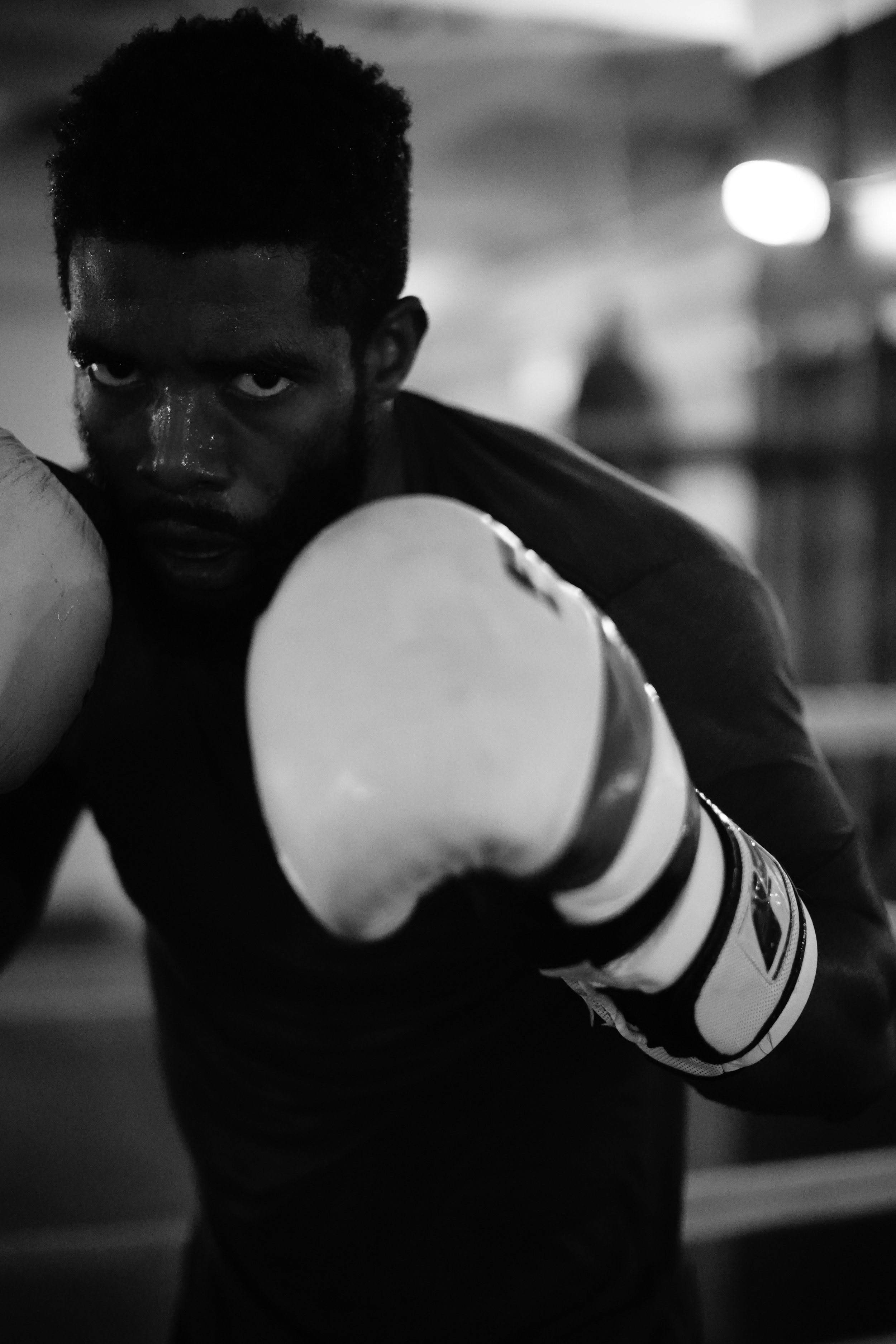
Really what we need is connection, time to process, and the skills to turn towards what hurts us most when no one is looking. There’s no problem recognizing the ways we as a society may need to reflect and change as technology, relationship dynamics, and values shift. The conflict comes into play when our frustrations and commentary lead to further confusion and problem fixation without solutions or nuance. We don’t need anymore fuel for the Gender War. & in my observation, often when men get overwhelmed, feel misunderstood, overly criticized, or like no one cares, we don’t invest, we disengage. A point that I feel is continuously misidentified.
So now what? Well, at the very least, we are going to try our best to provide functional solutions that don’t try to strip away masculinity or double down on the conventional tropes. We are looking to give men tools on HOW to be, and allow us to find for ourselves WHO we need to be in our community, career, and relationships to truly find fulfillment, purpose, and happiness.
The purpose of the album Drowning In The Open and the connected course material is to do three things for the conversation of men’s mental health:
Give men and those that love us metaphors and language to speak more easily about what we are experiencing. (“Hey babe, I’m drowning and in need of a life raft right now”)
Give men real stories that allow us to feel seen and heard normalizing the pain we may experience but struggle to speak about.
Give men practical tools like journaling, reflections, meditation, and routine building to provide a life raft, even if it’s just a first step
For men, without compassion, language, modeling, and invitation, the noise is too loud. So the question becomes: “How can we handle this conversation with grace and tools?” Both as men, and also as a society that wants invested men, not disengaged ones. Join the community of work with How Men Cry and the Drowning in the Open album to show up to men’s mental health conversations in a new way.